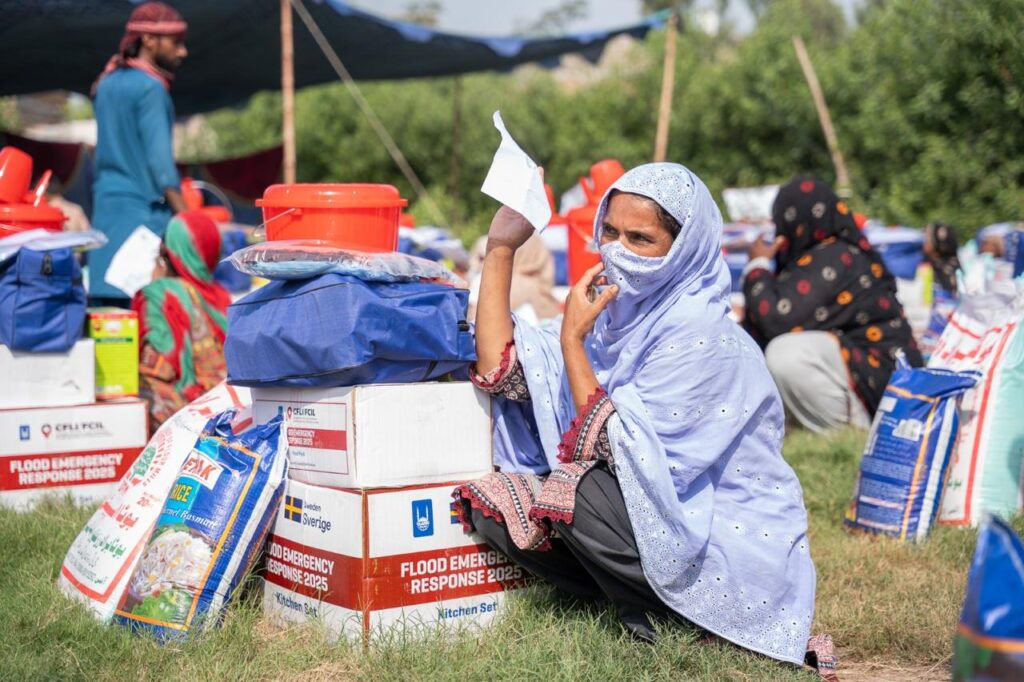
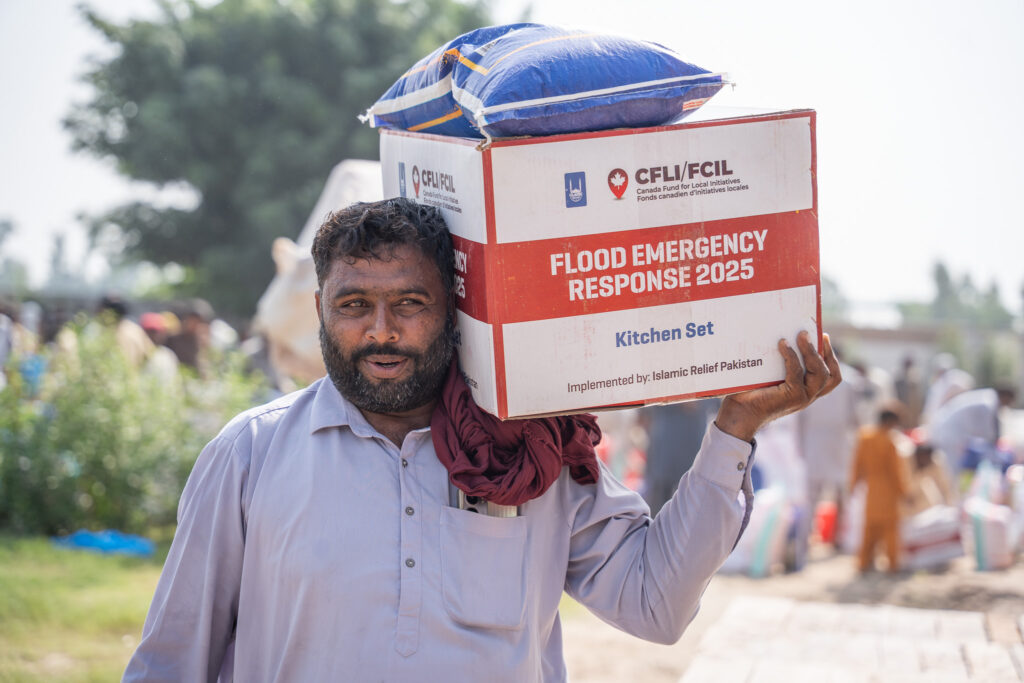
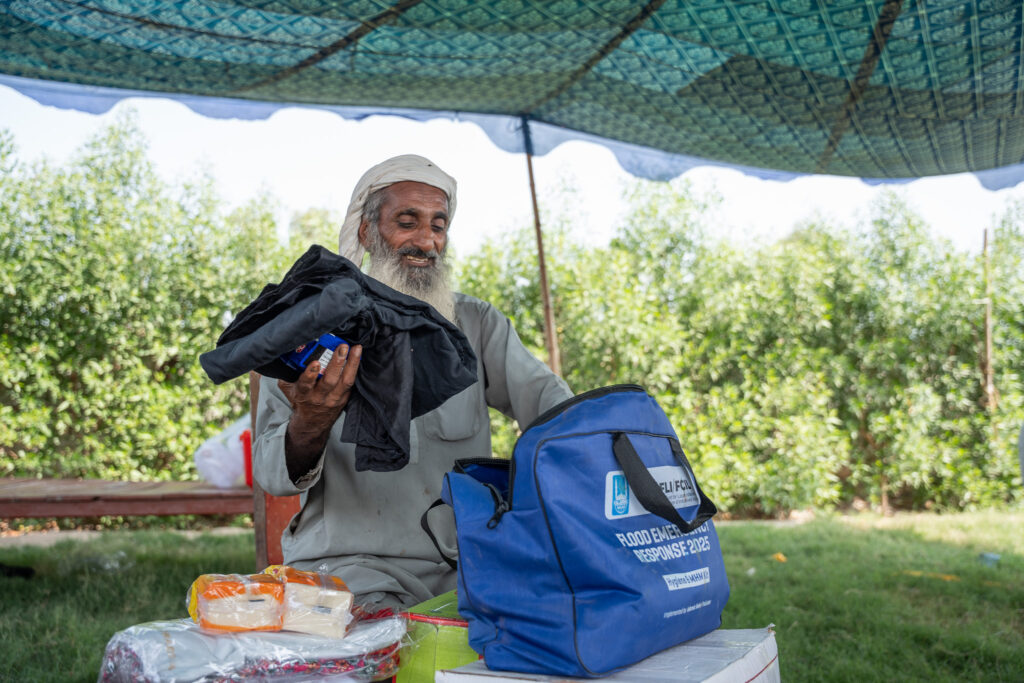
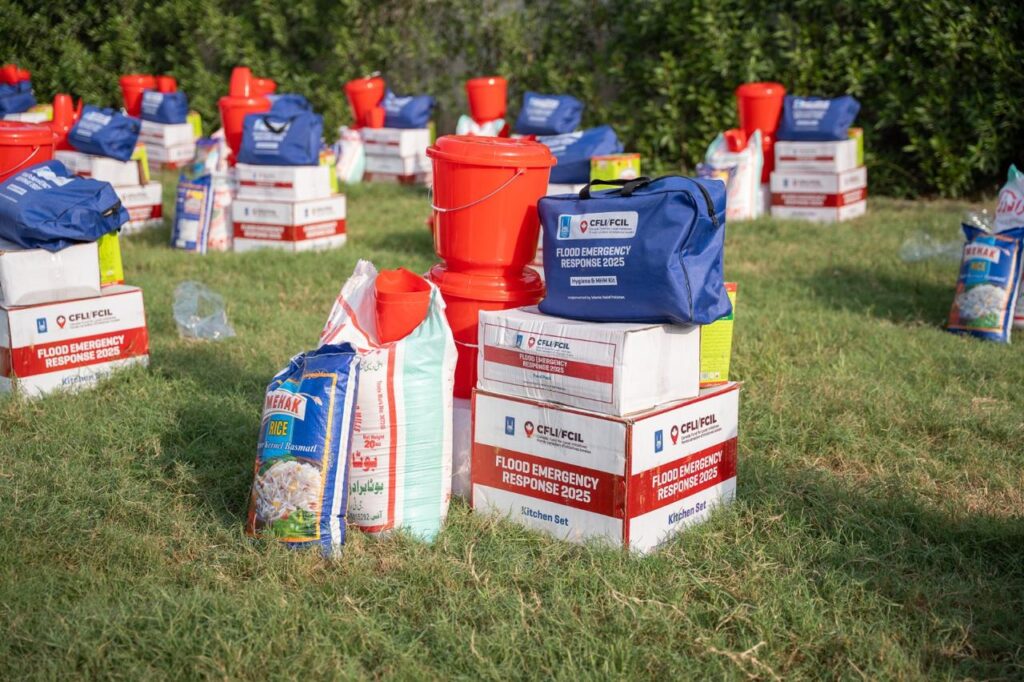
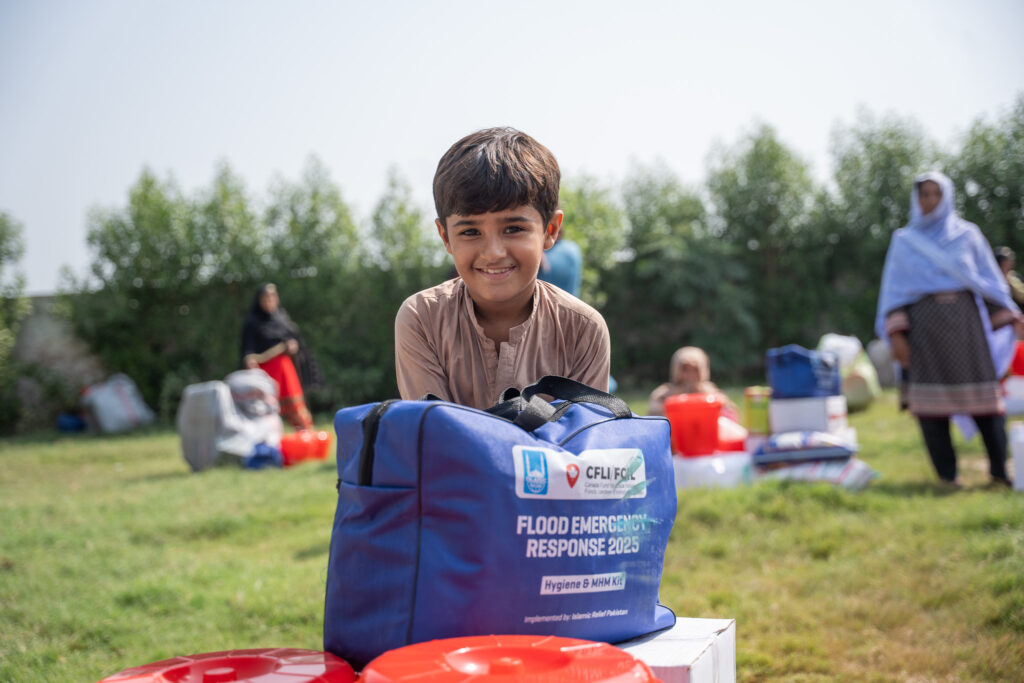
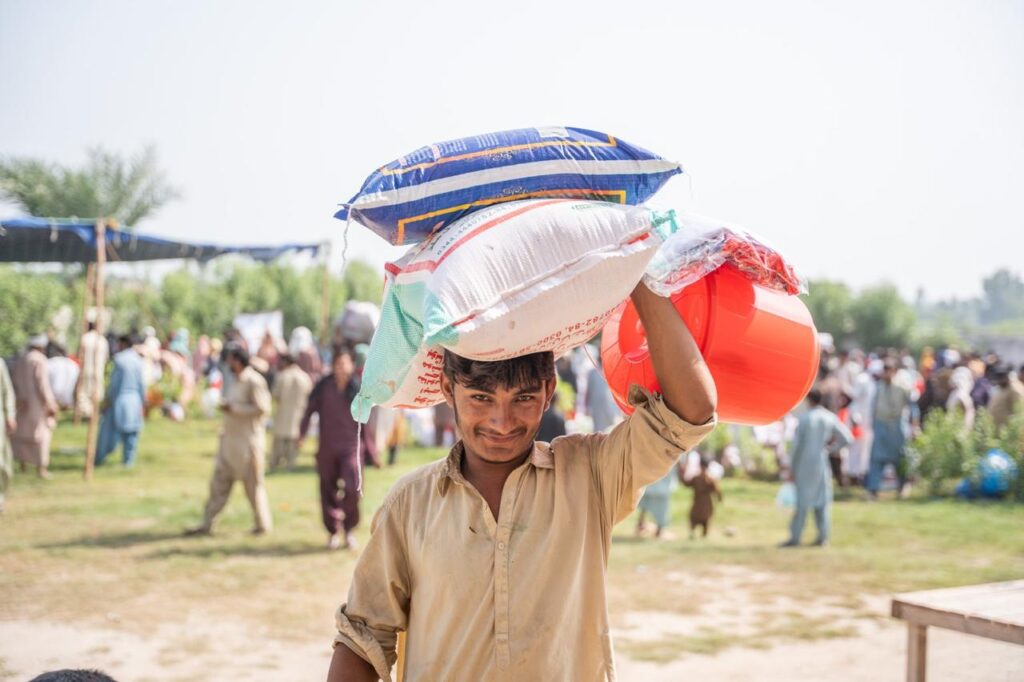
In the heart of Punjab, Pakistan, the 2025 monsoon didn’t just bring rain; it unleashed a deluge of devastation, the worst riverine flooding in nearly 4 decades. Torrential downpours, intensified by climate change, swelled the Sutlej, Chanab, and Ravi rivers, submerged vast fertile lands, and shattered communities. By mid-October, the floods had claimed more than 1,002 lives nationwide, injured 1,063, and left 6 million people reeling across multiple provinces. But Punjab bore the brunt, 4.7 million residents displaced or severely impacted, more than 4700 villages were submerged, with over 161,700 homes reduced to rubble, submerged, or deeply affected by floodwater.
The human toll is staggering. Muzaffargarh district alone saw 1.1 million affected – 26.9% of Punjab’s total. Beyond the immediate heartbreak, the floods ravaged livelihoods, endless acres of croplands – wheat fields, cotton plots, and rice paddies – lie buried under slits, while livestock herds either drowned or starved, wiping out farmers’ primary income source. Stagnant water now breeds Cholera, Malaria, dengue, and gastrointestinal diseases, turning survival into a daily battle for the people affected by the floods.