Why Pakistan can’t afford to be unprepared this monsoon

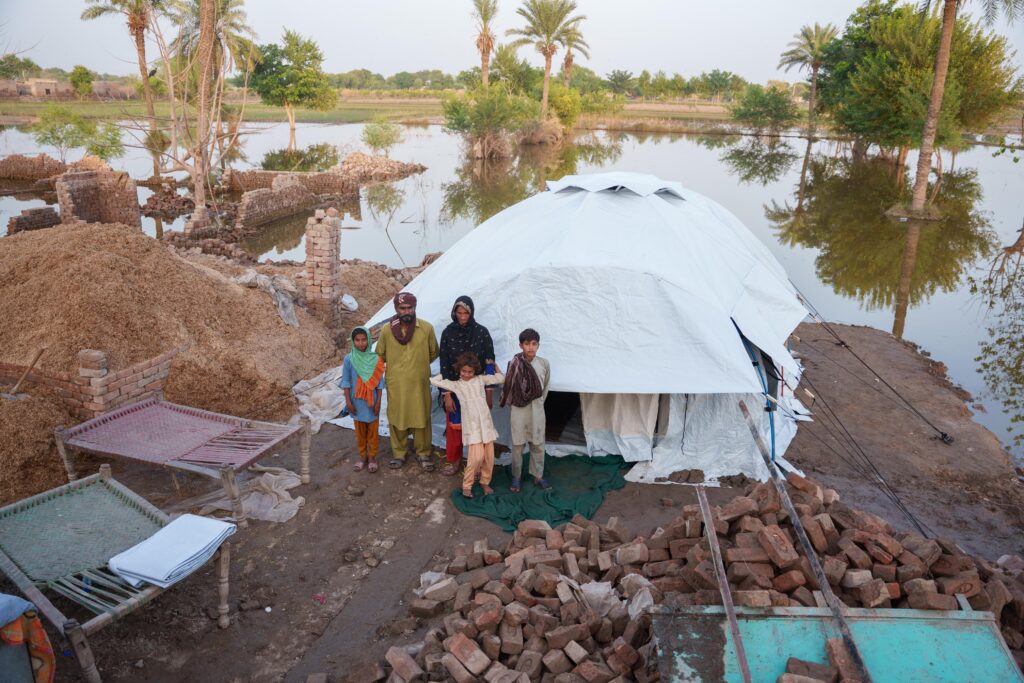
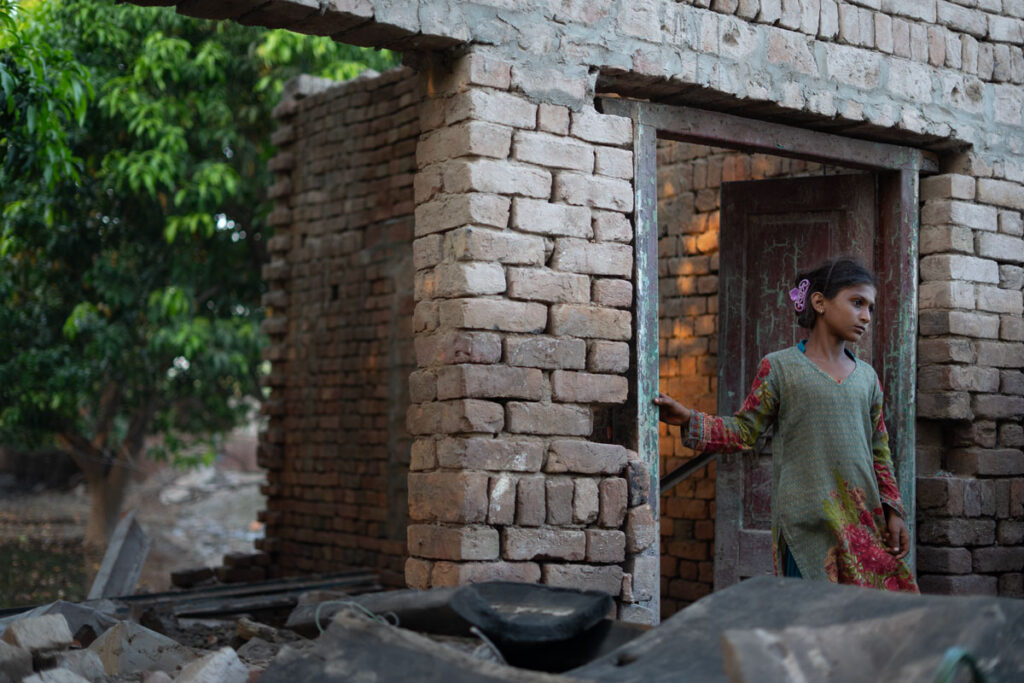
It’s been a year that another devastating flood swept away the villages and cities of Pakistan, demolishing the livelihoods of Khyber Pakhtunkhwa and Punjab severely. Taking away people’s lives, homes, schools and loved ones. Pakistan contributes less than 1% of global greenhouse gas emissions, yet it is still one of the countries most vulnerable to climate crises. This is the unfortunate geographical luck that Pakistan never signed up for!

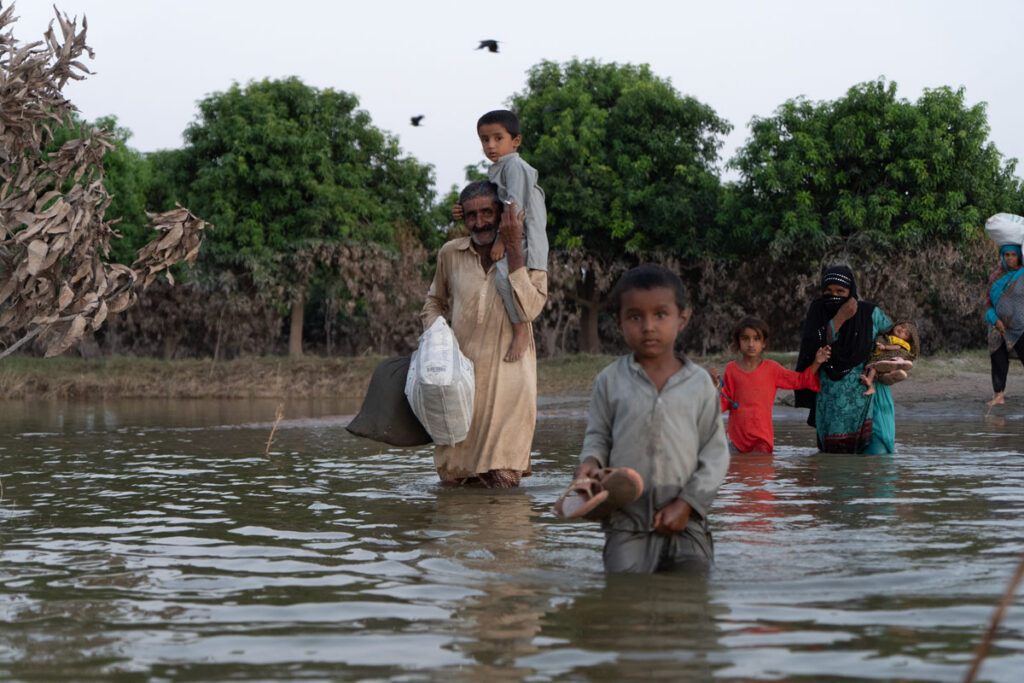
The disastrous floods of 2025 affected more than 6.9 million people; displacing 1.2 million and claiming over 1,000 lives. While some developed countries have been responsible for the majority of carbon emissions, countries like Pakistan face its consequences.

Floods in Pakistan: A Recurring Image

The recurring episode of destructive floods from 2022 to 2025, is a testament to the consequences Pakistan faces due to climate change. Climate crises are no longer just a threat to Pakistan, it is a constant state of fear, danger and precaution for the people who face the arrival of floods at the same time every other year, same loss and same destruction of their lives. Back in 2022, more than 33 million people were affected by the floods, and over 1.1 million households were damaged or destroyed. While the population of Pakistan was overcoming this crisis, the floods of 2025 fell upon them, making this not just an isolated crisis, but recurring, extremely alarming and in desperate need of precautionary measures.
How Islamic Relief is standing with Pakistan through climate crises?

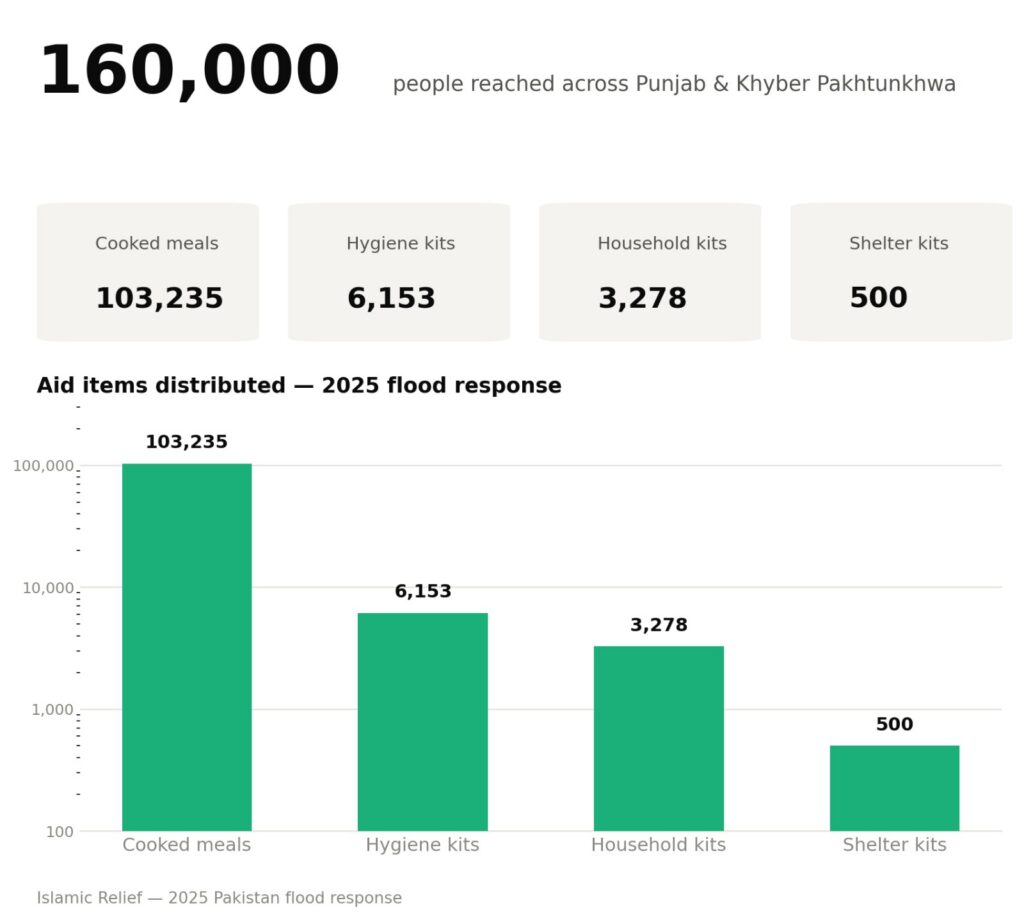
With two years of experience, Islamic Relief Pakistan has always been at the forefront of emergency crises, being the first to reach and respond to emergencies despite the risks. During the floods of 2022, Islamic Relief was able to raise 50 million GDP and continued to create impact during the flood crisis in 2025; being one of the first emergency respondents who were in the ground within the first 24 hours of devastation. Moreover, Islamic Relief was able to reach out to 160,000 people in Punjab and Khyber Pakhtunkhwa, providing them with 103,235 cooked meals, 6,153 hygiene kits, 500 emergency shelter kits, and 3,278 household kits, restoring people’s lives. Through it all, Islamic Relief stands with the people of Pakistan.

How can you help Monsoon Preparedness Drive?

As the monsoon arrives this year, Pakistan cannot afford to be unprepared as thousands of families still stand at risk of flooding. Continuous rainfall has already hit several cities in Punjab in the last 24 hours, claiming at least 17 people in rain related accidents. Additionally, it has been forecasted that there will be above normal rainfall this monsoon. While climate change cannot be reversed, preparedness for it can help skip extremely alarming impact by following the Monsoon Preparedness Drive. As thousands of families stay uncertain of what this monsoon season unfolds, you can play a part in reducing the risk of another disaster, evacuating high risk areas with a necessary survival kit, consume clean water by following purification and hygiene, and ensure safe travels by avoiding flooded streets and rash driving, regularly checking vehicle maintenance.

Every little step towards preparedness promises a reduced risk, and together we must protect lives to save them from a disaster again.

Islamic Relief is registered under section 42 of The Companies Act 2017 (CUIN Registration No. 0033819)

We are an approved NPO under section 2(36) of the Income Tax Ordinance, 2001 (Ordinance). Donations to Islamic Relief are subject to tax credit as per sub-section (C) of section 61 of the Ordinance.

© Copyrights 2026 Islamic Relief Pakistan. All rights reserved.

QUICK DONATE